
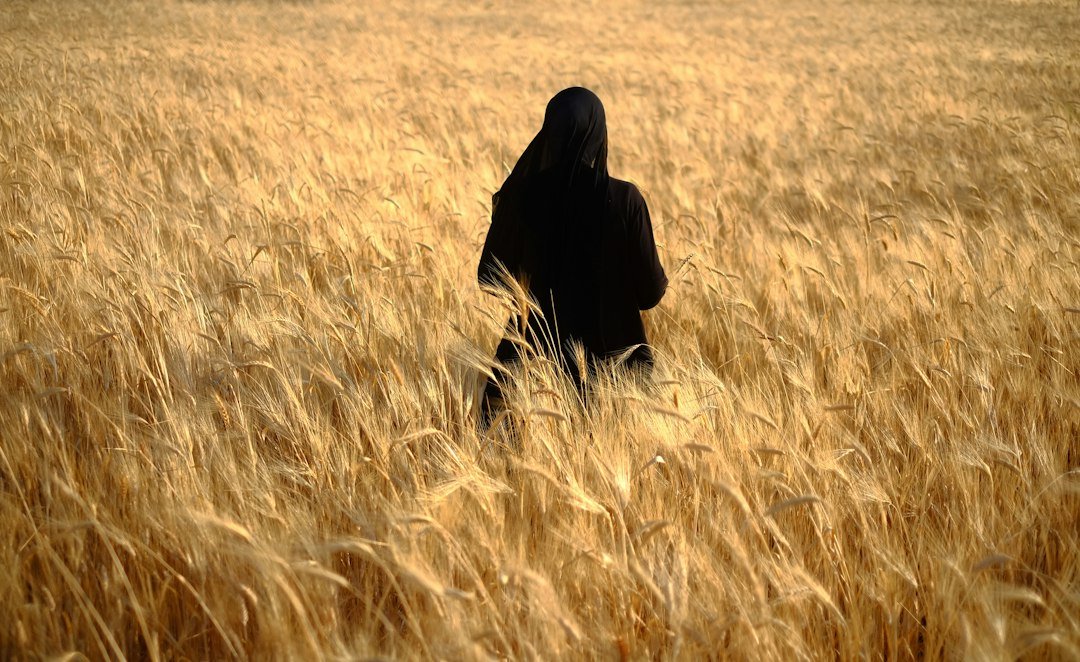
There are seasons when your life does not look ruined. It simply looks nothing like the life you thought you would have.
Maybe you are 23 and wondering whether you chose the wrong path. Maybe you are 39 and rebuilding after a relationship, a move, a loss, or a dream that quietly ended. Maybe you are 52 and asking a question you thought you would have answered by now: God, what happens next?
That is one reason Ruth still feels so close to us. The book of Ruth is not primarily a story about a woman finding a husband. It begins with famine, death, displacement and uncertainty. Before Ruth ever meets Boaz, she is a woman walking toward a future she cannot see.
Who Was Ruth in the Bible?
Ruth was a Moabite woman who married into an Israelite family living in Moab. After the deaths of Naomi’s husband and both of Naomi’s sons, Naomi decided to return to Bethlehem. She urged her daughters-in-law to remain in Moab and rebuild their lives there. Orpah stayed. Ruth went.
Her words in Ruth 1:16–17 have become some of Scripture’s best-known words of loyalty: Ruth chose Naomi’s people and Naomi’s God. But notice what Ruth did not receive with that decision. She received no detailed plan, no promise of Boaz, no guarantee of financial security and no explanation of how the story would end.
She simply chose faithfulness with the light she had.
Ruth Teaches Us That Starting Over Can Look Very Ordinary
Sometimes we expect a new season with God to arrive dramatically. Ruth’s began with walking, gleaning and gathering grain behind other workers. She did what was available to her.
That matters when you feel behind. Starting over may look like sending the application, making your home peaceful again, returning to prayer, taking care of your body, learning something new, creating again, asking for help, or simply getting up and doing today faithfully.
Faithfulness is not frantic striving. Ruth was diligent, but she was also receptive. She worked within the provision God placed before her. There is a beautiful difference between trying to force your future and participating in what God is already opening.
Before Ruth Met Boaz, God Was Already Writing the Story
Ruth 2:3 says that Ruth “happened” to come to the part of the field belonging to Boaz. From Ruth’s perspective, it may have looked accidental. From the reader’s perspective, providence is quietly everywhere.
This is comforting because many important seasons do not feel important while we are living them. You may think you are simply surviving Tuesday. God may be forming character, arranging relationships, closing one road and positioning you near another.
If you are in a season where God feels quiet, read How to Hear God’s Voice When Heaven Feels Silent. Silence is not the same thing as absence.
Ruth Did Not Need to Chase What God Could Provide
Boaz noticed Ruth’s character before a romantic future was established. He had heard about her loyalty to Naomi and the costly choice she had made. Ruth was not performing for his attention. She was living faithfully.
This is an important correction to the way Ruth is sometimes taught. The message is not “be good enough and God will send you a Boaz.” Marriage is not the reward for spiritual performance. The deeper picture is that God’s provision can meet us while we are living with integrity in the season actually in front of us.
Naomi’s Story Reminds Us That Pain Can Distort What We Can See
Naomi returned to Bethlehem carrying grief so heavy that she told the women there to call her Mara, meaning bitter. She believed she had gone away full and returned empty.
Yet Ruth was standing beside her.
That does not make Naomi’s grief sinful or foolish. It makes her human. Pain can narrow our vision. Sometimes we cannot yet recognize what God has preserved because we are still mourning what we lost.
If that describes your season, you may also want to read How to Trust God in a Spiritual Dry Season and Strong Mama, Wounded Heart: Let God Restore You from Within.
Boaz as a Redeemer—and the Greater Story of Christ
Boaz becomes Ruth’s kinsman-redeemer, acting within Israel’s covenant framework to protect the family line and redeem what could otherwise be lost. He is not Jesus, but his role gives us a beautiful biblical picture that points beyond him.
Christ is the greater Redeemer. Ruth could not manufacture redemption for herself. Neither can we. The gospel is not the story of women becoming impressive enough to rescue themselves. It is the story of a Redeemer who comes near, pays what we cannot pay and gives us a new belonging.
What Ruth’s Story Means When You Feel Behind
Ruth did not know, while gleaning in a field, that her name would one day appear in the genealogy of Jesus in Matthew 1. She could not see the generations beyond her obedience.
That is the part I want you to remember when comparison tells you that everyone else is ahead. Your current chapter does not have enough information to judge your whole story.
You are not too late. You are becoming—not because every dream will unfold exactly as you imagine, but because God is still able to form, lead and redeem a surrendered life.
Questions to Pray and Journal Through
Where am I grieving an old version of my life? What faithful step is available to me today? Am I trying to force an outcome God has not asked me to control? What evidence of grace might I be overlooking because I am focused on what I lost? What would it look like to trust God with the chapter I cannot see yet?
If writing helps you pray through seasons of change, explore the Bible Verse Journals from Faith & Flow—created for quiet time, Scripture reflection and honest prayer on paper.
If you are rebuilding your sense of identity, continue with Identity in Christ: What It Really Means. Let Scripture—not timing, relationship status, age or disappointment—tell you who you are.
Continue exploring our Women of the Bible series for more stories about faith, identity, courage, wisdom and becoming.
Frequently Asked Questions About Ruth in the Bible
What is the main message of Ruth in the Bible?
Ruth highlights faithful love, God’s providence and redemption. It shows God working through ordinary decisions and difficult circumstances while moving a much larger redemptive story forward.
Why is Ruth important in the Bible?
Ruth was a Moabite who became part of Israel and the family line of King David. Matthew 1 also names her in the genealogy of Jesus, showing how her story belongs within God’s redemptive plan.
What can women today learn from Ruth?
Ruth teaches us that a changed life does not mean a finished life. We can grieve honestly, take faithful steps, receive wise provision and trust God without knowing exactly how our next chapter will unfold.


