Faith-Based Inner Healing: A Christian Guide to Emotional Restoration & Wholeness
There’s a wound inside you. Maybe it’s from childhood. Maybe it’s from betrayal, loss, or shame. Maybe you can’t even name it—you just know it’s there, affecting how you love, how you trust, how you see yourself. And every time you try to move past it, it catches you again, pulling you back into old patterns of thinking or behaving.
For a long time, I thought inner healing was something secular—something that required sitting with a therapist and digging through your past until you “fixed” yourself. I didn’t realize that God offers something both deeper and more transformative: a healing that doesn’t just manage our wounds, but actually integrates them into our story of redemption.
This guide isn’t meant to replace professional therapy (which is a beautiful tool). It’s meant to invite you into a different kind of healing—one that’s rooted in faith, guided by the Holy Spirit, and grounded in the truth that you are known, loved, and being restored by God.
What Is Inner Healing (And Why Does It Matter for Your Faith)?
Inner healing is the process of bringing God’s truth and love into the places inside you that are broken, afraid, or stuck. It’s not about denying what happened or pretending pain wasn’t real. It’s about inviting Jesus into those rooms where you’ve been hiding and letting Him shed light on the darkness.
Psalm 147:3 says, “He heals the brokenhearted and binds up their wounds.” That’s not metaphorical language—that’s a promise. God sees your brokenness. He doesn’t look away from it. He moves toward it with tenderness and intention.
Here’s why inner healing matters for your faith: you cannot love God with your whole heart while you’re fragmenting yourself emotionally. You cannot trust God’s love if the primary loves in your life were conditional or wounded. You cannot step into your calling if old trauma is running the show behind the scenes. Inner healing is the work of becoming whole—so that you can love, trust, and live fully.
How Faith-Based Healing Differs
Secular therapy is valuable. It teaches you coping mechanisms, helps you understand your patterns, and gives you tools. But faith-based inner healing adds something: it brings God into the conversation. It asks, “What is God saying about this wound? What truth does He want to speak into this place?” It’s not just about managing pain—it’s about redeeming it.
When you bring your wounds to God, you’re not just processing; you’re transforming. You’re allowing the God who created you to remake you from the inside out.
The Silent Child Inside You
Something happened that taught you to be quiet. Maybe you weren’t allowed to express your needs. Maybe your feelings were too big for the room. Maybe speaking up meant being rejected or shamed. So you learned to swallow your words, to keep the peace, to disappear a little.
That silent child is still inside you. She still believes the old messages: “Your needs don’t matter.” “Speaking up is dangerous.” “It’s better to be small.” And she’s running your relationships, your career, your spiritual life from behind the scenes.
The first step toward healing is seeing her. Acknowledging her. Asking yourself: What happened that made me believe I needed to be silent? What did I learn about my own voice? About my worth?
Read the silent child: what stillness is really saying for a deeper exploration of this pattern and what your silence might be protecting.
Inviting the Holy Spirit into Your Deepest Pain
This is the core of faith-based inner healing: inviting Jesus into the room where you’ve been alone with your pain. It sounds simple. It’s actually the most powerful thing you can do.
Most of us have learned to compartmentalize. We have the parts we show the world, the parts we show our closest people, and the parts we’ve locked away completely—even from ourselves. We carry our shame quietly, convinced that if anyone saw that part of us, they would leave.
But God doesn’t leave. He never has. And when you finally invite Him into those hidden rooms, something shifts.
A Simple Practice: Inviting God In
In a quiet moment, think of a wound that still hurts. Maybe it’s betrayal, rejection, loss, or shame. Don’t edit it. Don’t make it smaller or prettier. Just name it: “I’m carrying hurt from…” Now imagine Jesus there in that moment of wounding. Not to fix it immediately or to explain why it happened, but just to be with you. To say, “I see you. I see this pain. You’re not alone in this.”
What does He say to you? Not what you think He should say. What does He actually say? Listen. Write it down. Return to it.
Explore God, show me what hurts: how the Holy Spirit heals what we’re hiding for a more guided approach to bringing your pain to God.
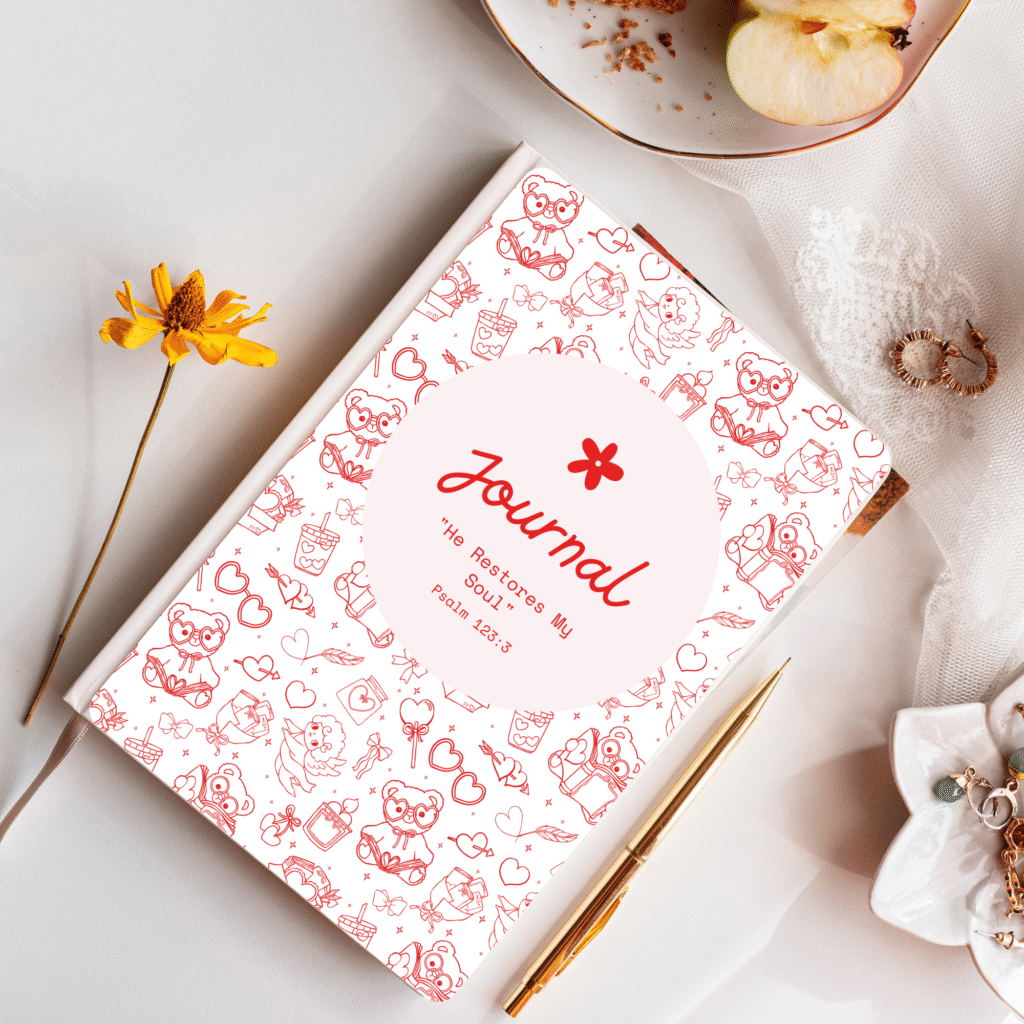
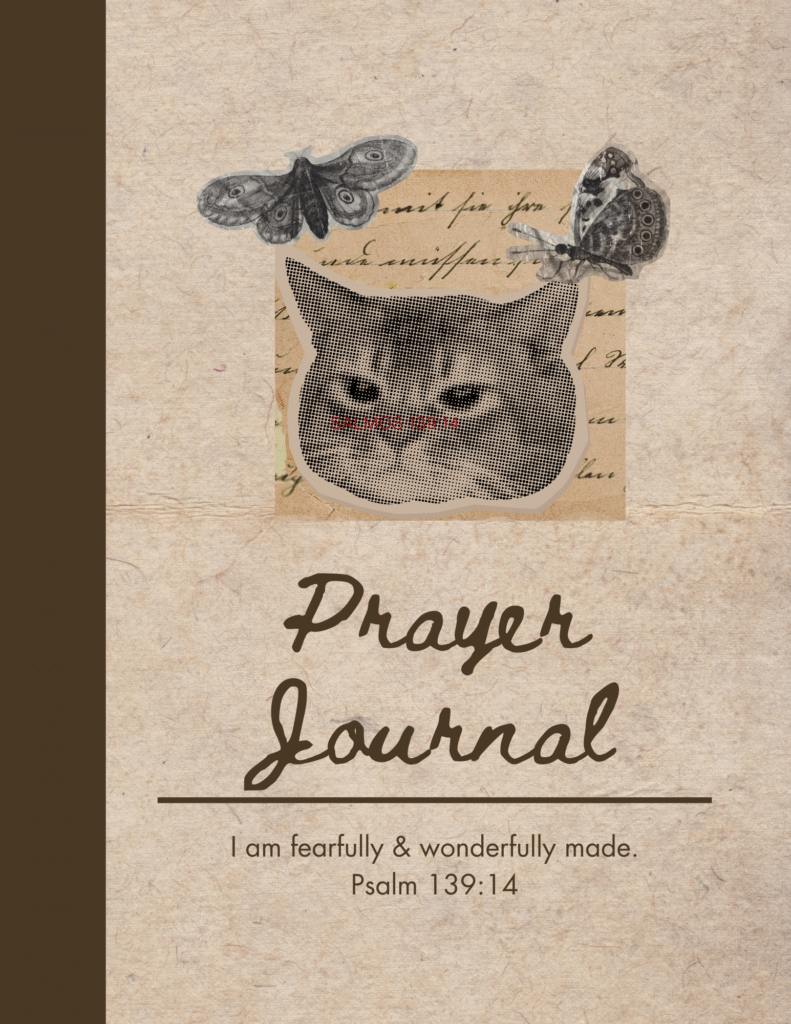
Journaling as a Healing Practice
Writing is holy work. When you journal your way toward healing, you’re creating a bridge between your conscious mind and your deeper self. You’re also creating a record—proof that God was there, proof that you survived, proof that you’re being transformed.
A healing journal is different from a regular diary. It’s not about documenting what happened. It’s about processing how it affected you and what God wants to do about it. It’s where you can be completely honest—raw, messy, angry, doubting—without an audience.
Use prompts that help you go deep: “The wound I’m carrying is…” “The lie I believe about this is…” “What I think God wants to say to me is…” “How has this wound shaped my relationships?” Let the answers surprise you. Your journal is a safe place to discover what you’ve been hiding from yourself.
For 21 powerful journal prompts designed specifically for healing, explore 21 Christian journal prompts to help you heal from the inside out.
Breaking Free from Shame, Guilt, and Unforgiveness
Shame is the belief that something is fundamentally wrong with you. Not that you did something bad—that you are bad. It’s one of the most destructive emotions, and it thrives in silence.
Romans 8:1 reminds us: “Therefore, there is now no condemnation for those who are in Christ Jesus.” This is the truth that dismantles shame. You are not condemned. You are not disqualified. You are not beyond God’s love.
Breaking the Shame Cycle
Shame feeds on secrecy. The moment you speak it out loud—to a trusted friend, a counselor, or in a journal—it loses power. It’s still real, but it’s no longer all-consuming.
- Name the shame specifically. Don’t say “I feel bad about myself.” Say “I’m ashamed that I gained weight” or “I’m ashamed of how I handled that conflict” or “I’m ashamed because I was abused and part of me believed I deserved it.”
- Ask yourself: Is this true? Where did I learn to believe this about myself?
- Invite God’s truth in. What does God say about this part of me? Not what I think He should say. What does the Bible actually say?
- Practice replacing the shame with truth. Every time shame whispers, speak the truth back. Out loud, if you can. Repetition rewires your brain.
Guilt vs. Shame (And Why It Matters)
Guilt says, “I did something bad.” That’s actually healthy—it’s your conscience working. You can repent of guilt, make amends, and move forward.
Shame says, “I am bad.” That’s the lie. And you can’t repent your way out of it. You can only bring it to Jesus and let Him rewrite the story.
The Work of Forgiveness
Unforgiveness is an anchor that keeps you tethered to the person who hurt you. You’re living as if they still have power over your present, when actually they’re not even in the room.
Forgiveness isn’t about feeling better toward the person who hurt you. It’s about releasing the debt. It’s saying, “What you did was wrong. I’m not excusing it. But I’m not letting it run my life anymore. I’m giving this to God and walking free.”
This is internal work. It doesn’t require reconciliation. It doesn’t require telling them anything. It’s just you, Jesus, and the release of a burden you were never meant to carry.
Building a Healing Routine: Daily Practices for Restoration
Healing isn’t a one-time event. It’s a practice. A return, again and again, to the truth that you are being restored. These daily practices aren’t about perfection—they’re about showing up for yourself the way Jesus shows up for you.
Morning Prayer and Grounding
Before your day takes over, anchor yourself in God’s presence. This might be 5 minutes or 30—whatever you have. Bring your body into it. Breathe deeply. Feel your feet on the ground. Speak to God: “I’m bringing today to You. I’m trusting You with what’s ahead. Help me remember who I am in You.”
If anxiety or shame shows up, name it: “I notice I’m feeling [shame/anxiety/fear] this morning. I’m giving this to You. I’m choosing to believe [the truth] instead.”
Scripture Meditation
Healing isn’t just emotional—it’s spiritual. Your mind needs to be rewired with God’s truth. Choose a healing scripture (there are many—Psalm 23, Psalm 139, Isaiah 43, John 8:36). Sit with one verse for a week. Read it slowly. What does it mean? How does it apply to your healing? Where does it comfort you?
Journaling for Processing
Use your journal as a conversation with God. Don’t wait until you have it all figured out. Write the confusion, the anger, the grief. Let the page be a safe place where you’re completely honest. This is sacred space.
Community and Accountability
Healing is not meant to be a solo journey. Find a trusted person—a mentor, a counselor, a close friend—and share your journey with them. Let them witness your healing. Let them speak truth when you can’t see it yourself. There’s power in being known.
If you’ve experienced trauma or deep wounds, please consider working with a Christian counselor alongside these spiritual practices. Healing works best when we engage it holistically—spirit, mind, and body.
A Prayer for Healing
Father, I come to You carrying wounds I’ve been holding alone for so long. I bring the hurt from my childhood, the betrayal, the shame, the loss—all of it. I don’t have to hide from You. You see me. You see this pain. And Lord, I’m inviting You into those rooms where I’ve been alone. Heal what’s broken in me. Not because I deserve it—I’m not asking for deserving—but because You love me. Because You came to heal the brokenhearted. Help me release shame that isn’t mine to carry. Help me forgive those who hurt me, not for their sake, but for mine—so I can walk free. And Lord, as You heal me, help me become a woman who can hold this healing gently, who can speak truthfully about what wholeness looks like, who can be a light to others still in darkness. Thank You for Your patience. Thank You for Your love. Make me whole. In Jesus’ name, amen.
Continue Your Journey
Your healing matters. You matter. God is invested in making you whole. Explore these resources for deeper inner work:
- The Silent Child: What Stillness Is Really Saying
- God, Show Me What Hurts: How the Holy Spirit Heals What We’re Hiding
- 21 Christian Journal Prompts to Help You Heal from the Inside Out
- Healing the Silent Child Workbook (Product)
You are not broken beyond repair. You are being restored. One prayer, one honest conversation, one small act of self-compassion at a time.